
NextGen Health Leadership Programme
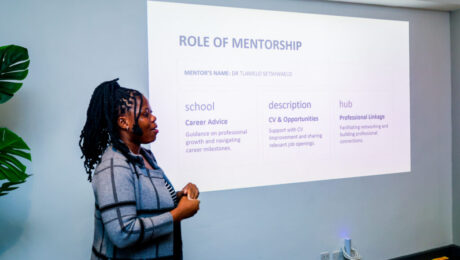
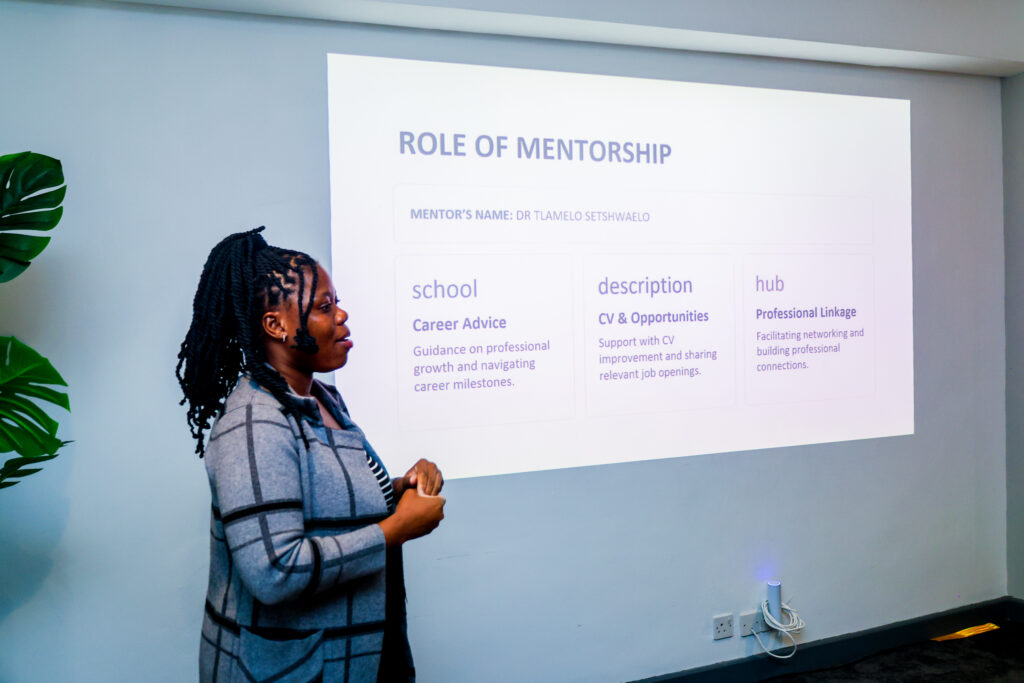





The NextGen Health Leadership Programme is a mentorship and leadership development initiative established by Circle Point Consultancy to support and empower the next generation of public health professionals in Botswana. Founded under the vision of Dr Wame Dikobe, the programme was created to bridge the gap between academic learning and professional practice by equipping graduates with the skills, networks, and confidence needed to thrive within the public health and healthcare sector.
The programme is specifically designed for public health graduates and emerging professionals who are passionate about leadership, community impact, health advocacy, and strengthening health systems. Through mentorship, professional development sessions, networking opportunities, and practical engagement with industry leaders, participants gain valuable insight into the realities and opportunities within the public health field.
Over the course of six months, mentees participate in interactive sessions led by experienced healthcare professionals, facilitators, and mentors from diverse backgrounds. Topics covered include leadership development, mental health, healthcare innovation, communication, professionalism, career development, research, entrepreneurship, and public health systems. The programme also encourages collaboration, critical thinking, and problem-solving to prepare participants to become impactful leaders within their communities and workplaces.
A key component of the programme involved mentees developing and designing project proposals focused on Sexual and Reproductive Health and Rights (SRHR). Through this process, participants were encouraged to identify pressing public health challenges affecting communities and create innovative, sustainable, and community-driven solutions. This practical component strengthened their research, proposal writing, teamwork, and strategic planning skills while deepening their understanding of SRHR advocacy and intervention design.
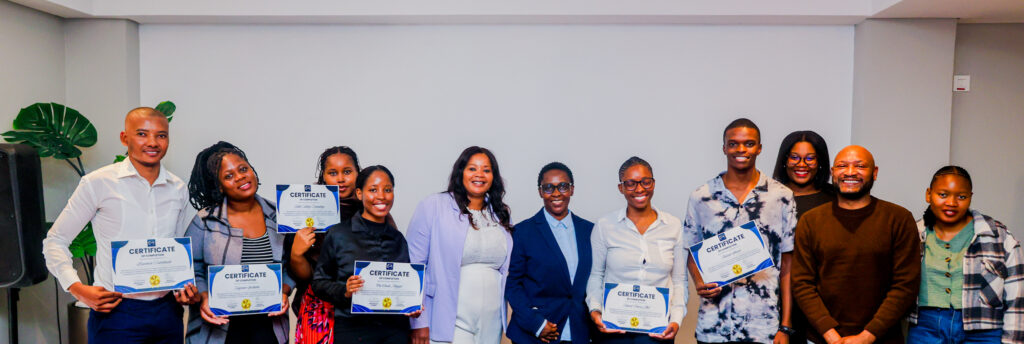
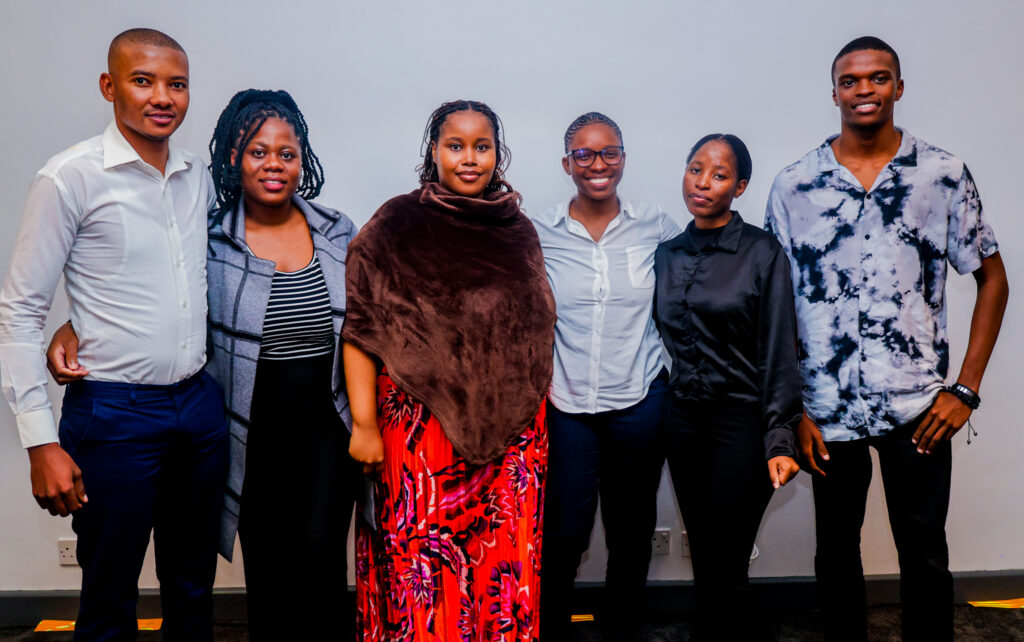
Cohort 1 of the programme officially ran from October 2025 to April 2026 and began with 10 selected mentees from various public health backgrounds. Throughout the programme, mentees demonstrated dedication, growth, and a strong commitment to contributing positively to the healthcare and public health landscape. The cohort concluded with a graduation ceremony celebrating the achievements and development of the participants over the six-month journey.
The NextGen Health Leadership Programme is more than a mentorship initiative it is a platform dedicated to nurturing ethical, innovative, and community-driven leaders who will shape the future of public health in Botswana and beyond.
Programme Objectives
– Support the professional growth of public health graduates and emerging professionals
– Develop leadership, communication, and career readiness skills
– Provide mentorship and industry exposure
– Promote innovation, collaboration, and critical thinking in public health
– Strengthen knowledge and advocacy around Sexual and Reproductive Health and Rights (SRHR)
– Inspire community impact and public health advocacy
Vision
To cultivate a new generation of public health leaders equipped to drive meaningful and sustainable change within communities and health systems.
Mission
To empower aspiring public health professionals through mentorship, leadership development, professional exposure, and collaborative learning experiences.
- Published in Uncategorized
Closing the 5-2-2 gap: Lessons for Botswana from AIDS2024
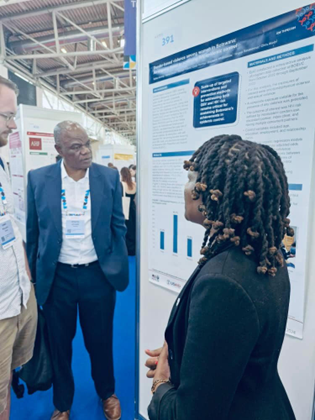
The 25th International AIDS Conference #AIDS2024, held in Munich, Germany, from July 22 to 26, 2024, brought together experts from around the world to discuss the latest scientific breakthroughs and innovations, engage with global thought leadership and advocates on issues that shape global fight against HIV/AIDS. Delegates from Botswana, including government officials, civil society members, and academics, participated in the conference, showcasing the country’s efforts and research in combating the epidemic.
Botswana has made commendable progress toward achieving epidemic control, at 95-98-98 we have surpassed the UNAIDS 2030 targets of 95-95-95. However, the UNAIDS highlighted slower progress in other regions, with the regional average for Eastern and Southern Africa at 93-83-78, and a global average lagging behind at 86-89-93. The “Putting People First” theme underscored the urgency to address structural barriers like stigma and discrimination to advance towards the ambitious UNAIDS goals.
Addressing the remaining 5% gaps in HIV prevention and treatment (5-5-5) is critical for epidemic control. Stigma and discrimination, gender-based violence, and punitive laws continue to hinder access to HIV services for key and priority populations, leading to disparities in care and treatment outcomes. Research presented from a comprehensive study across 33 African countries revealed that people living with HIV who reported facing stigma were significantly less likely to receive treatment and achieve viral suppression. Botswana participated in a discussion about the effects of decriminalization laws on public health and human rights. During this session, the Chief Executive Officer of Lesbians, Gays and Bisexuals of Botswana (LEGABIBO), Aobakwe Laone S Van Vuuren, shared Botswana’s progress and experiences in the journey towards the decriminalization of same-sex relationships.
The global health community was abuzz with the latest advancements in HIV prevention with the PURPOSE 1 trial results showing groundbreaking development in long acting injectables for pre-exposure prophylaxis (PrEP). However, the excitement of this scientific breakthrough is threatened by the reality of accessibility. Activists raised their concerns, advocating for the urgent need to make these interventions available and affordable for the communities most in need. Yet in Botswana and most sub-Saharan countries, challenges persist. Though the inclusion of cabotegravir (CAB-PrEP) in our updated national HIV guidelines is a positive step, its unavailability within the country highlights a gap between policy and practice. The call for action is clear: these life-saving advancements must reach those who stand to benefit the most, without financial barriers hindering access.
The conversation around HIV doesn’t stop at prevention, with a growing aging population of people living with HIV, the integration of HIV and non-communicable disease (NCD) services is crucial for advancing the global HIV response. The discussions at #AIDS2024 underscored the importance of comprehensive health service integration in achieving the UNAIDS 2030 targets and the broader goal of Universal Health Coverage (UHC). By combining NCD and HIV services, patient outcomes can improve, and health system efficiency and resource utilization can be enhanced. However, this requires a policy shift and dedicated resources for health system strengthening. Botswana has shown a strong commitment to this cause with recent health reforms and the restructuring of its Ministry of Health.
Finally, the pressing issue that remains largely unaddressed is the impeding decrease in HIV funding. UNAIDS has highlighted a substantial drop-in financial support over the past decade, underscoring the need for sustainable funding models. For countries like Botswana to maintain its efforts and investment in the response, it’s imperative to forge strategic partnerships with the private sector to bridge these financial gaps. Strengthening public-private partnerships is essential for long-term sustainability.
The insights from AIDS2024 are a call to action for the global community to intensify efforts, innovate solutions, and foster inclusive environments with the end goal of reaching epidemic control. How Botswana’s applies the information from the conference will be pivotal in shaping our response; one that #putspeoplefirst, prioritizing people and their diverse needs in the journey towards an AIDS-free generation.
- Published in Uncategorized